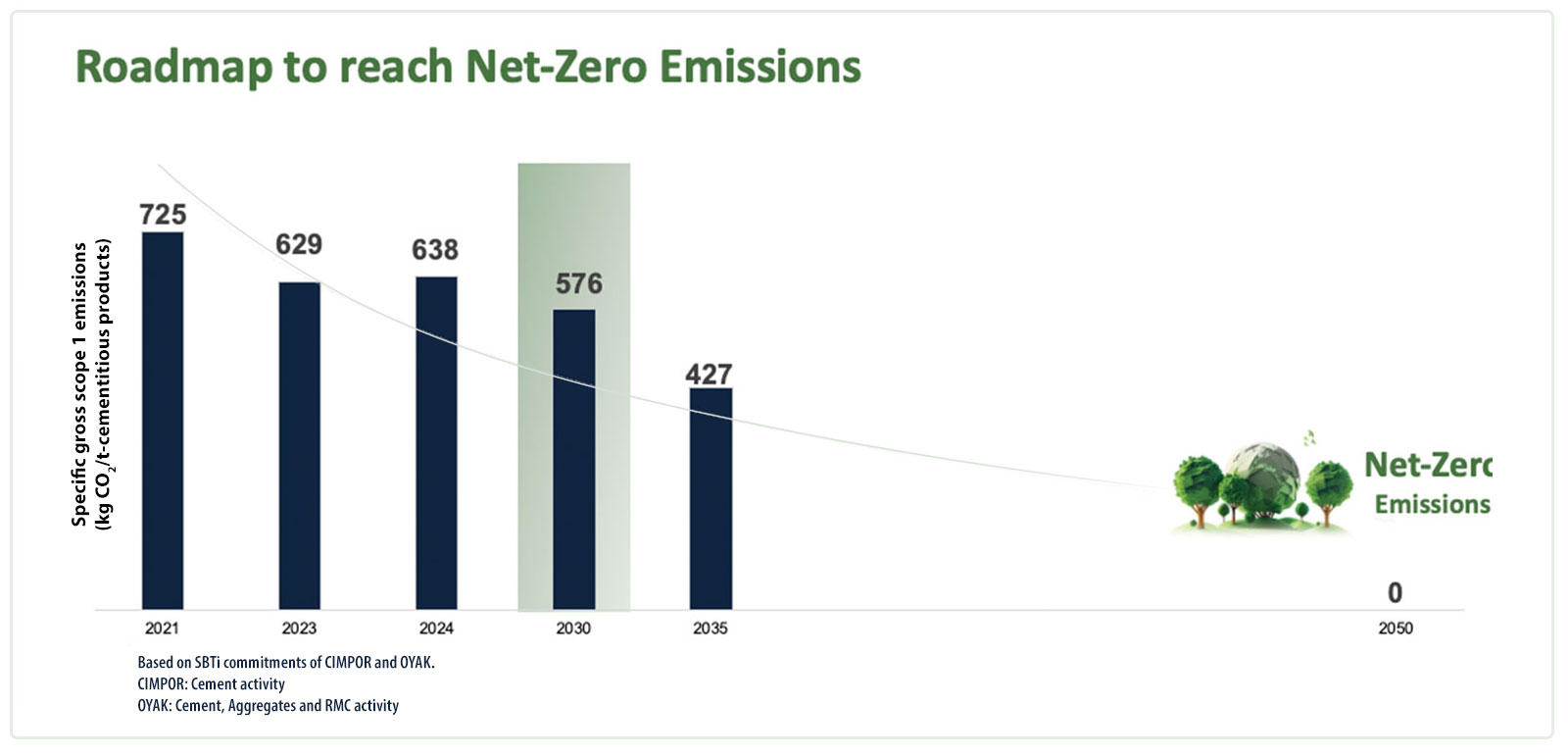
CIMPOR Global Holdings Roadmap to Net Zero emissions
Climate change is profoundly affecting the environment in a variety of ways, including rising global temperatures and sea levels, alongside an increase in the frequency and severity of droughts, floods, and extreme weather events. These environmental shifts exert considerable strain on human societies by endangering critical infrastructure, diminishing water and food availability, disrupting energy supply networks, undermining public health, and heightening social and economic vulnerabilities, particularly for communities that are more exposed and less equipped to cope.
To safeguard climate stability, preserve ecosystems, and protect societal well-being, it is imperative to limit global warming and transition towards a carbon-neutral economy. Achieving this goal requires the transformation of industrial sectors that are especially hard to decarbonise. Among them, the cement industry plays a decisive role. Responsible for about 7% of GHG emissions, it is the second-largest source of industrial emissions worldwide. Beyond reducing its footprint, the sector can also contribute adaptive solutions to help societies confront the climate crisis.
Recognising the magnitude of the challenge, the cement industry has been actively developing strategic roadmaps to accelerate its transition to a carbon neutral economy by 2050. In line with this sector-wide commitment, CIMPOR Global Holdings has set ambitious climate targets, including the pledge to achieve net-zero emissions by mid-century. To deliver on this objective, CIMPOR and OYAK, both part of CIMPOR Global Holdings, have outlined a comprehensive pathway that combines short- and medium-term measures to 2030, anchored in mature and proven technologies, with long-term strategies centred on breakthrough innovations expected to scale in the decades ahead.
| Short-medium term decarbonisation levers or Up to 2030 |
| Levers |
Description |
| Use of alternative raw materials |
CIMPOR Global Holdings is progressively expanding the use of alternative raw materials, especially those that are partially or fully decarbonated.
Recognising the critical role of resource availability for its operations, the group sources these materials from other industries, including industrial by-products like fly ash and slag, as well as recycled Construction and Demolition Materials (C&DM).
|
| Use of alternative fuels |
CIMPOR Global Holdings is increasing its use of alternative fuels that contain a high proportion of biomass. By replacing traditional fossil fuels with options derived from waste or industrial and municipal byproducts, such as Refuse-Derived Fuel, shredded used tyres, waste from end-of-life vehicles, and mixed industrial waste, as well as biomass residues like wood chips, olive bagasse, and animal meal, the group effectively lowers emissions linked to fuel consumption. |
| Use of natural gas and hydrogen as fuel |
Alongside alternative fuels, CIMPOR Global Holdings plans to use natural gas as a transition fuel, as well as green hydrogen and hydrogen-based fuels, to gradually replace petcoke. By adopting fuels with low or zero CO₂ emissions, the company will further mitigate its direct carbon footprint. |
| Reducing clinker incorporation rate |
Reducing clinker incorporation in cement by gradually adapting the product portfolio to promote the development and commercialization of blended cements with lower clinker content and higher shares of supplementary cementitious materials (SCMs). These SCMs, often derived from industrial by-products or waste streams, such as blast furnace slag, fly ash, landfill ash, natural pozzolans, calcined clays and C&DM. |
| Improved thermal energy efficiency |
Improving thermal energy efficiency by enhancing the clinker production process through kiln and equipment modernisation and the deployment of digital solutions, with the aim of creating interconnected, smart and more energy-efficient facilities. |
| Improved electrical energy efficiency |
Implementing energy efficiency measures to reduce overall energy consumption in clinker and cement production. These measures include upgrading equipment to more energy-efficient models. |
| Renewable energy |
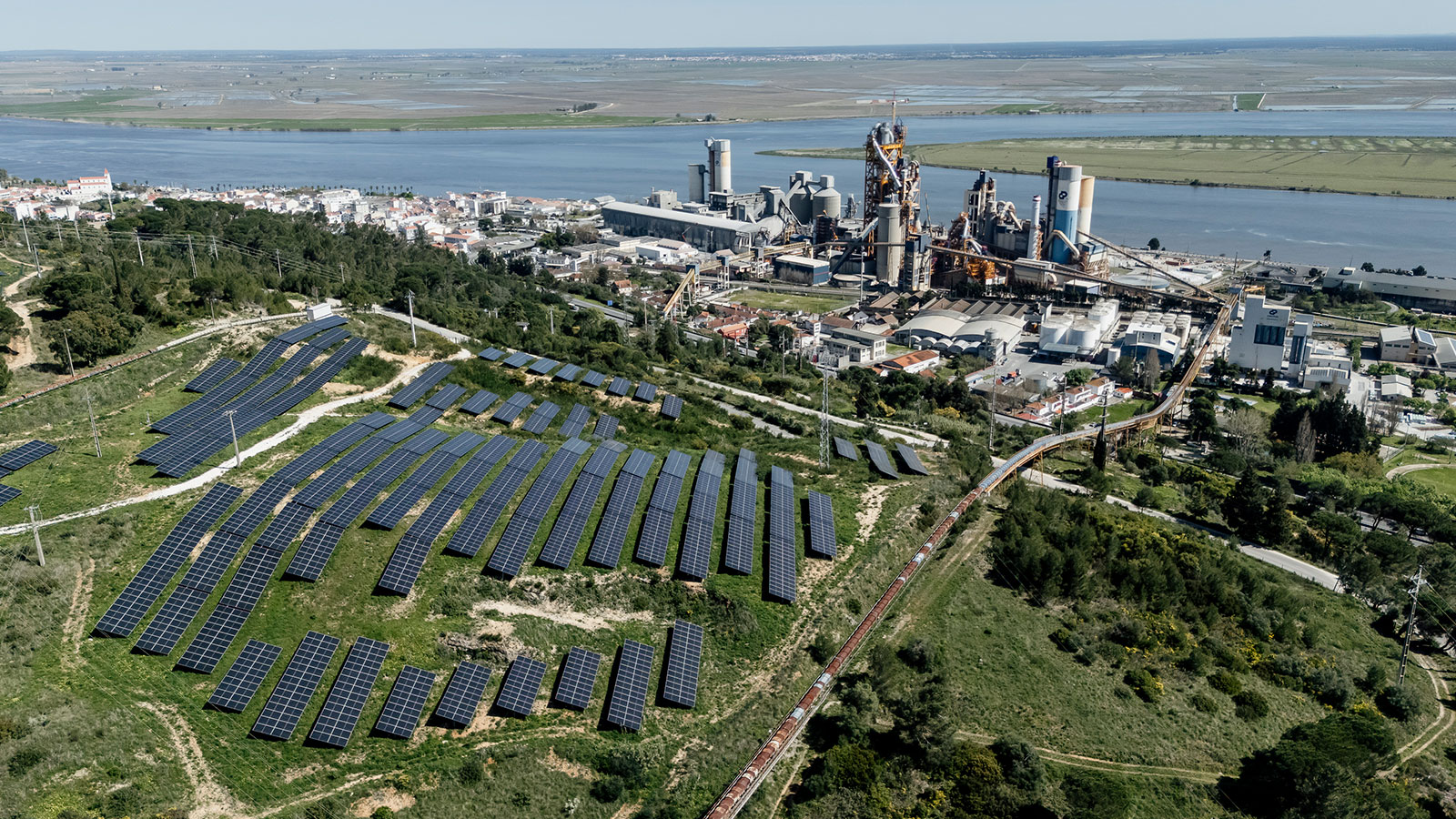
Increasing the share of electricity from renewable sources, such as solar, through the installation of solar panels, wind turbines and, in some cases, Power Purchase Agreements (PPA). Installing systems for waste heat recovery (WHR) to produce electricity, recovering and using the excess heat generated during the clinker production process. |
| Long-term decarbonisation levers or After 2030 |
| Levers |
Description |
| CCUS |
Carbon Capture, Utilisation and Storage (CCUS) technologies will play a vital role in reducing Scope 1 CO₂ emissions arising from limestone calcination. While not yet fully mature, these technologies enable the direct capture of CO₂ from flue gases for permanent geological storage or for use in the production of value-added products. Once captured, CO₂ can be combined with hydrogen to produce synthetic fuels such as e-methane, e-methanol or e-SAF, as well as chemicals, thereby supporting the transition towards a circular carbon economy. |
| Hydrogen as energy vector and raw material |
Exploring the broader adoption of hydrogen as an energy vector, including fuels containing hydrogen to replace fossil fuels, and the use of hydrogen as a raw material in carbon capture and utilisation (CCU) processes. In the latter case, hydrogen can be combined with captured CO₂ to produce synthetic fuels or value-added chemical products. |
| Batteries |
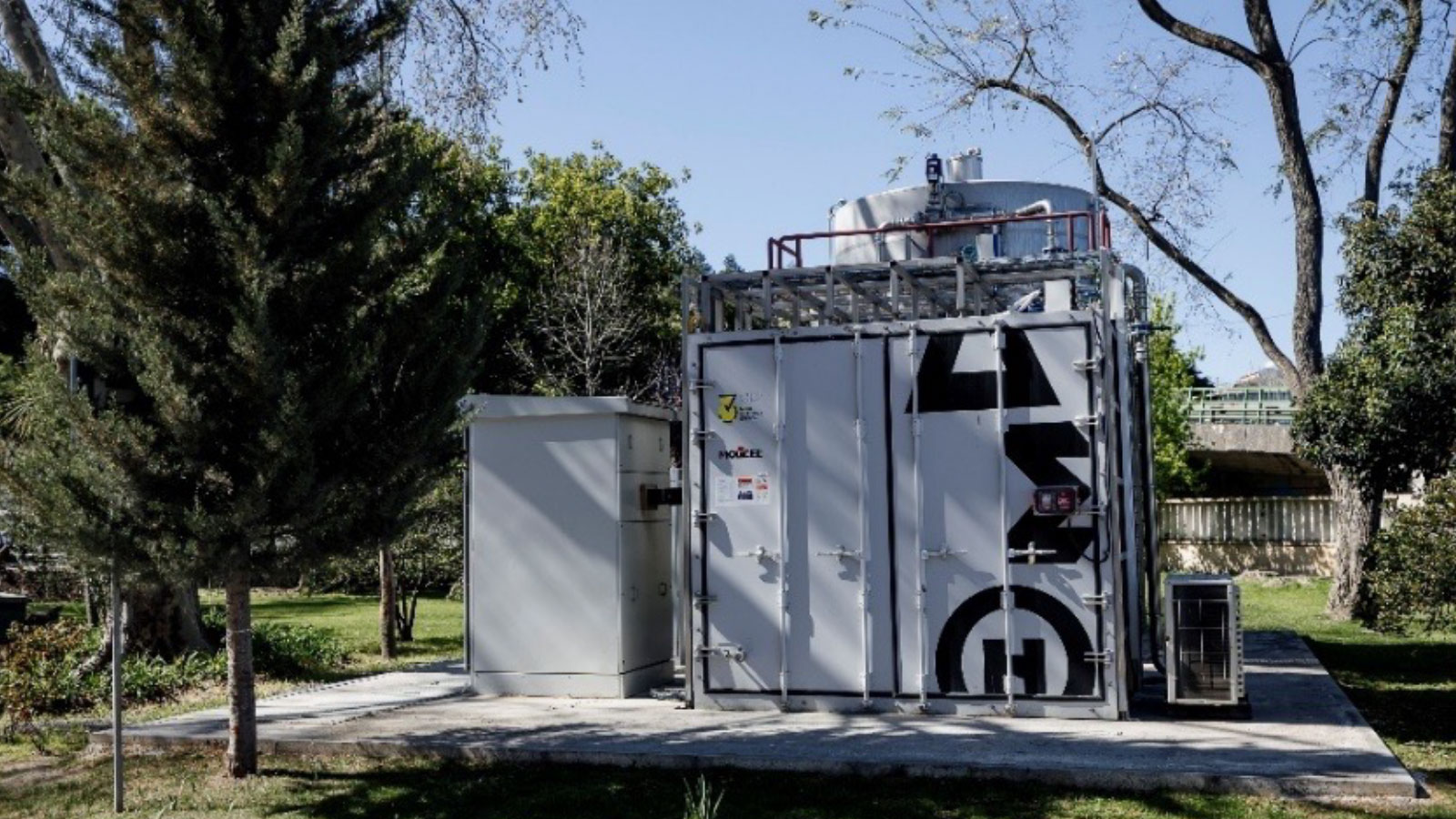
Installing Battery Energy Storage Systems (BESS) to deal with the intermittent nature of renewable energy sources, turning solar and wind farms into sustainable energy sources available 24/7, storing the electricity generated outside peak hours whenever possible. This energy can be used later during power cuts or for load balancing at times of high demand. |
Images of decarbonisation project
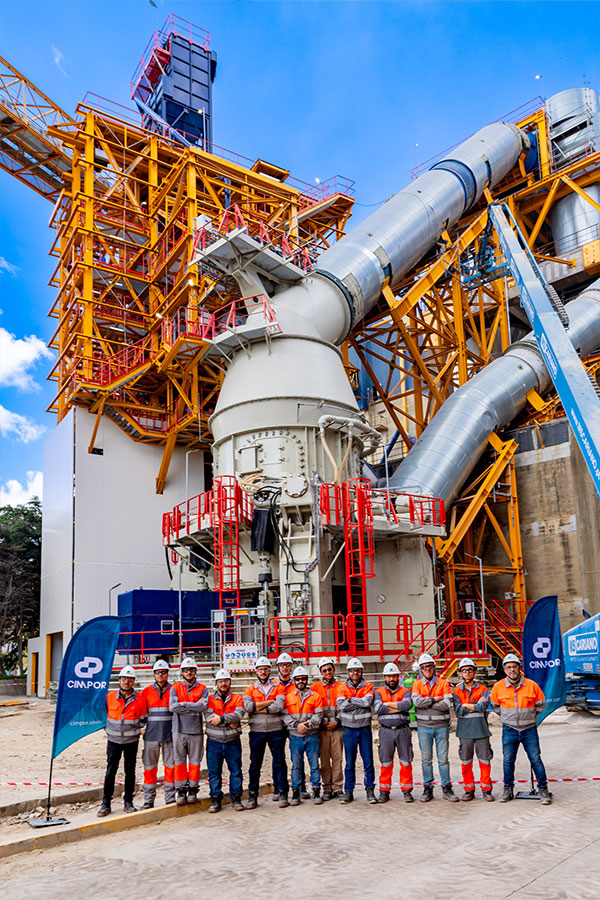
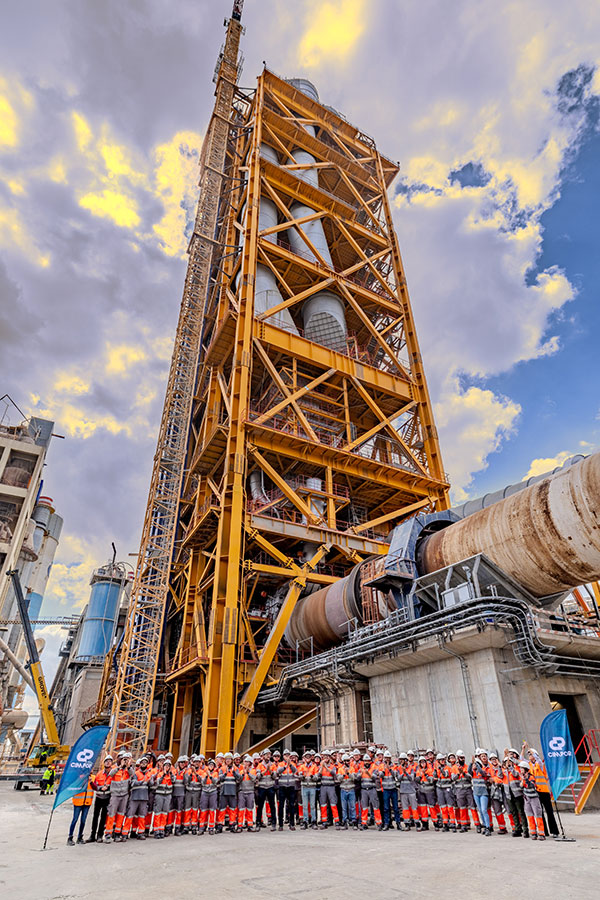
Upgrande of kiln 7 line, Portugal - Alhandra Cement Plant
Portugal - WHR systems in Souselas Cement Plant 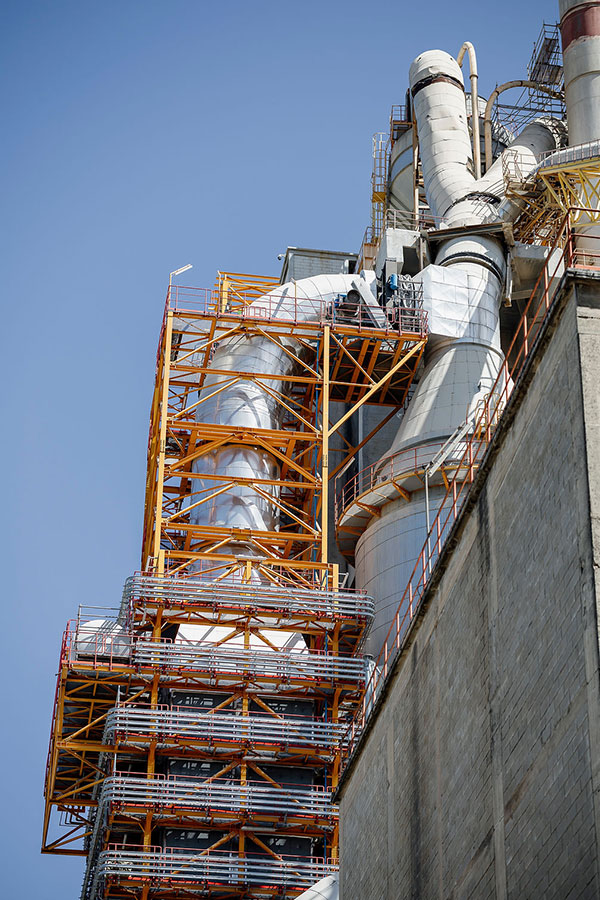
Portugal - BEES
Portugal - PV Solar Farm
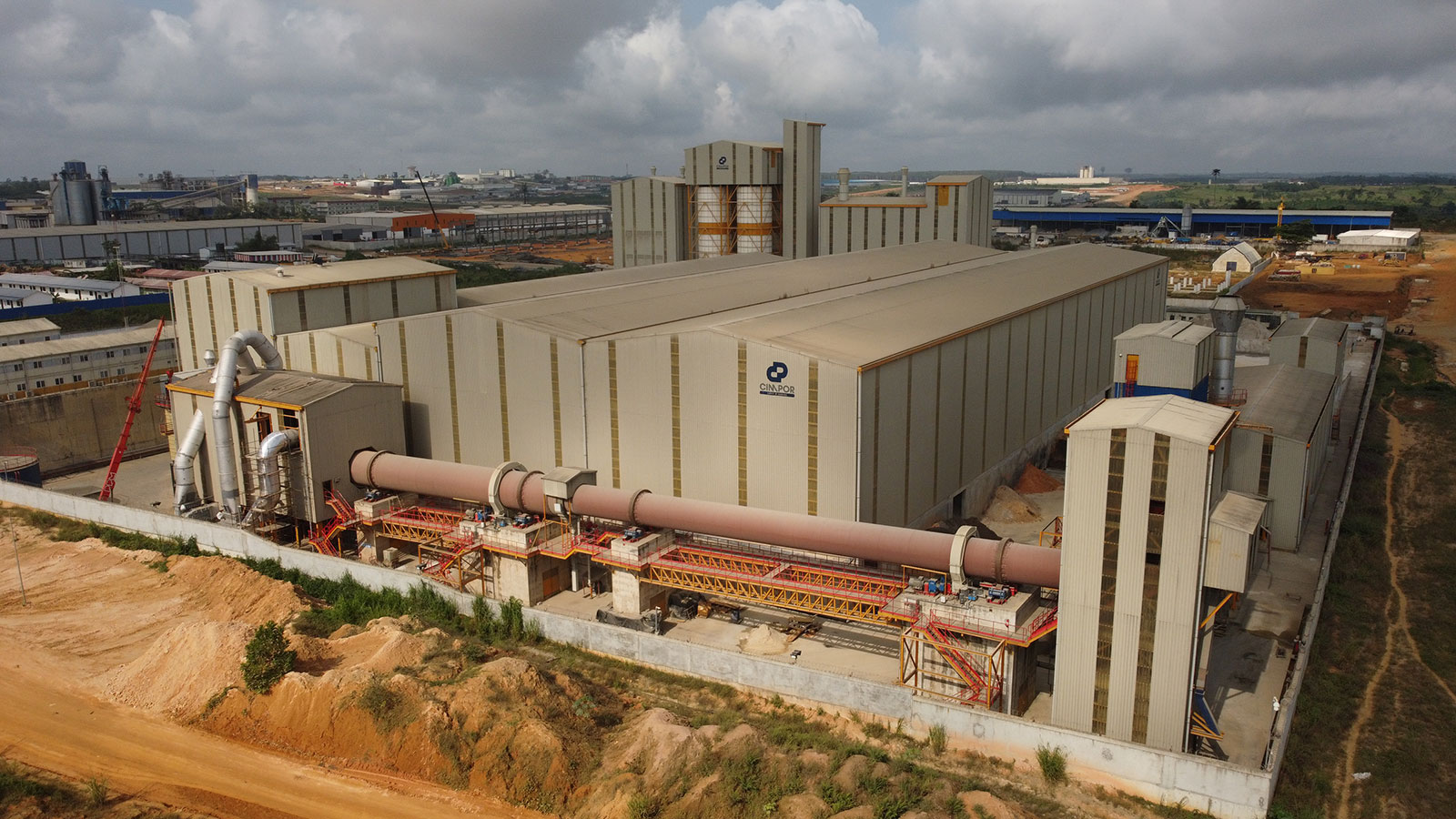
Ivory Coast - Abidjan Calcined Clay Plant