CIMPOR Global Holdings’ Path to Sustainability: WHR and Solar Power Facilities
As part of its long-term decarbonization roadmap, CIMPOR Global Holdings has positioned Renewable energy and energy efficiency solutions as core enablers of its key pillars in its transition towards a more sustainable and resilient cement industry. In this context, Waste Heat Recovery (WHR) and solar power investments are being systematically deployed across key production facilities. As part of its long-term decarbonization roadmap, CIMPOR Global Holdings has positioned Renewable energy and energy efficiency solutions as core enablers of its key pillars in its transition towards a more sustainable and resilient cement industry. In this context, Waste Heat Recovery (WHR) and solar power investments are being systematically deployed across key production facilities.
Waste Heat Recovery: Capturing Energy from Industrial Processes
Waste Heat Recovery (WHR) systems are designed to capture excess heat generated during clinker production and convert it into usable energy, such as electricity or process steam. In conventional cement plants, a significant portion of this heat is dissipated into the atmosphere. Through WHR applications, CIMPOR Global Holdings enhances overall process energy efficiency, reduces reliance on external energy sources and decreases its environmental footprint.
WHR projects are currently being implemented at key production facilities, including the Ankara, Mardin, Adana, Alhandra and Souselas plants. These systems incorporate advanced monitoring technologies such as IoT-based sensors and predictive analytics to optimize operations and ensure operational reliability. Designed with modular and scalable approach, these units can be adapted to kilns of varying capacities and integrated with broader energy-efficiency initiatives.
Beyond environmental benefits: contribute to improved cost efficiency, CO₂ emissions reduction and strengthened operational competitiveness. While challenges such as initial capital requirements and technical integration remain important, our positions WHR as an indispensable tool for the cement sector’s energy transition and plans to expand its use across more facilities.
Solar Power: Harnessing Renewable Energy On-Site
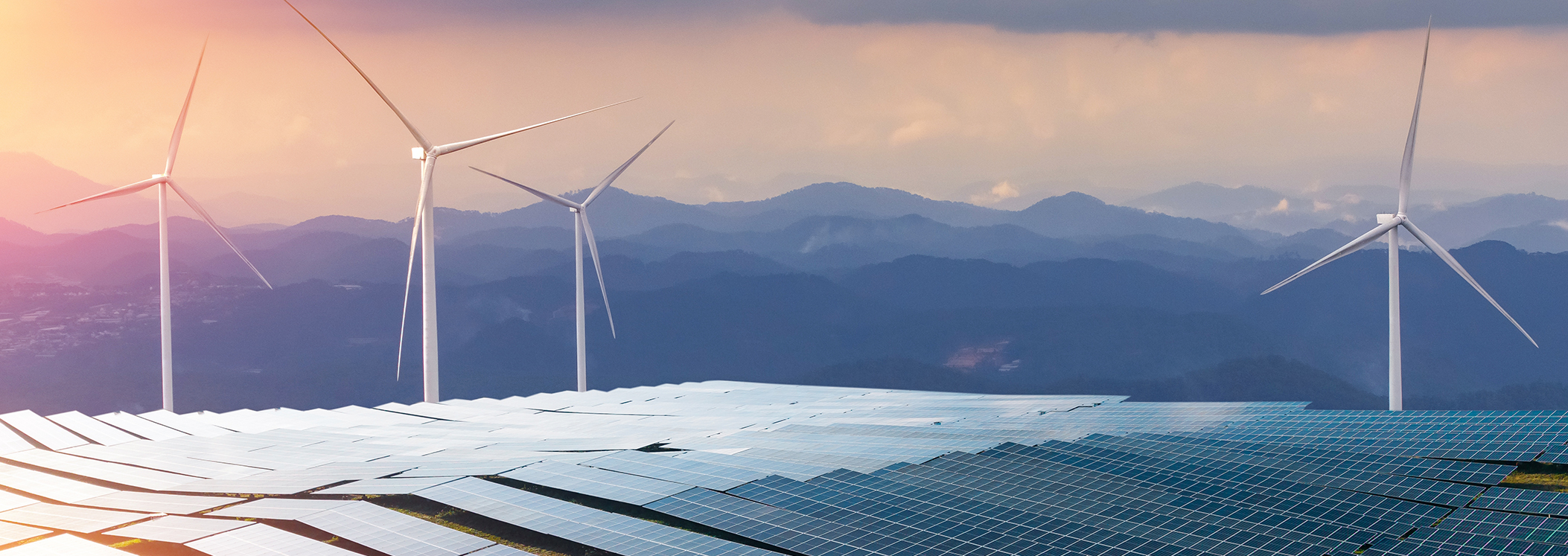
In parallel, CIMPOR Global Holdings is investing heavily in solar power generation. Photovoltaic (PV) systems have been installed on rooftops and open areas of its plants, supplying clean electricity for self-consumption. Supported by energy management systems, these facilities balance production with plant demand, maximizing efficiency.
By combining solar generation with WHR, CIMPOR Global Holdings builds a resilient and sustainable energy ecosystem that reduces dependence on external electricity providers.
In 2025 totally 126 MW Solar Power plan investment finalized, the expansion of solar parks will continue to play a vital role in CIMPOR Global Holding’s decarbonization journey. There will be more solar panel investment near future. Together with WHR and other innovations such as carbon capture and energy storage, solar technology strengthens the company’s ability to lower costs, ensure energy autonomy, and reinforce its sustainability profile.
Looking Ahead
Flexibility remains a key strategic priority, driven by energy price volatility and the increasing share of renewable energy in the system. To address this, CIMPOR Global Holding is advancing the deployment of industrial-scale energy storage solutions, supporting more efficient and adaptive energy use across its operations. Initial battery storage pilot projects (2 MWh) implemented in 2025 mark the first step of a broader and scalable roadmap.
In parallel with solar and WHR investments, the company is gradually diversifying its renewable energy portfolio, including selective wind energy opportunities, in line with a balanced and resilient energy mix approach. %70 of total consumed energy will be replaced with renewable energy. Energy storage systems will play a critical role in managing intermittency and optimizing on-site generation.
Our approach reflects a multi-technology transition model, combining WHR, solar energy and emerging storage capabilities. This integrated strategy supports operational efficiency, energy autonomy and decarbonization, while aligning with broader group-level sustainability objectives.