At CIMPOR Global Holdings, we share a unified vision: to redefine cement production by drastically reducing its carbon footprint through the large-scale use of calcined clay as a sustainable alternative to traditional clinker.
This vision represents more than a technological shift; it is a long-term transformation of how we produce, supply and perceive cement. By integrating thermally activated clay into our production lines, we aim to lower CO₂ emissions, reduce energy consumption and secure a more resilient resource base. Calcined clay requires significantly less heat energy than clinker production and enables a substantial reduction in the clinker factor — helping us to achieve meaningful progress toward global decarbonization targets.
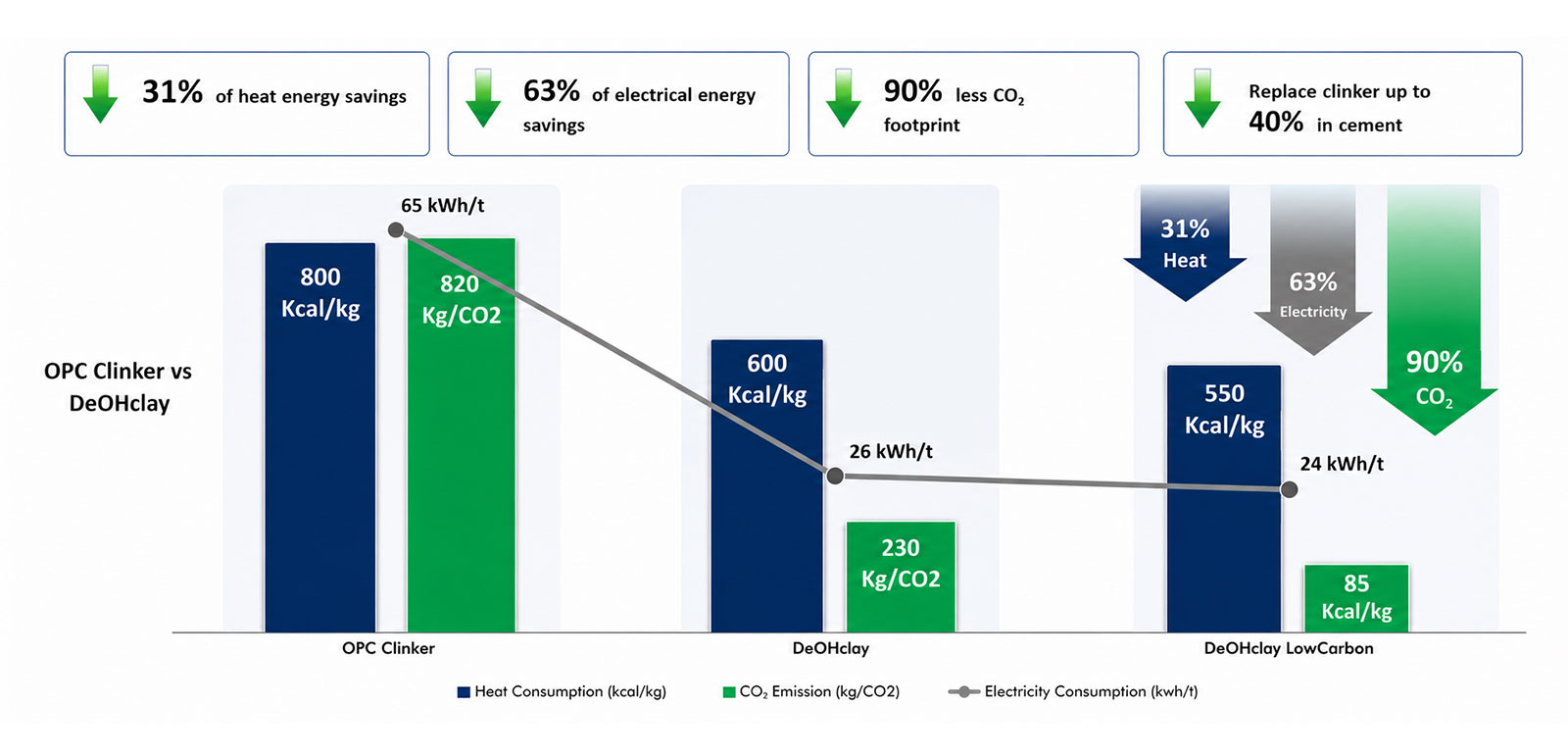
Across our operations in Turkey, Portugal and Africa, our goal is to scale the industrial production of calcined clay and embed it into both existing and new cement facilities. This integration not only supports our low-carbon ambitions but also strengthens our supply chain by utilizing local raw materials and reducing dependence on imported clinker.
The outcome is a new generation of low-carbon cement products — such as OYAK Cement’s NOVOCEM and ALFACEM, and CIMPOR’s upcoming calcined clay-based cements — that combine performance and sustainability. These products meet the growing market demand for environmentally responsible construction materials while anticipating future carbon-border regulations and green building standards.
Our “Calcined Clay Vision” is guided by innovation, resource efficiency and global leadership. By investing in high-capacity production plants we aim to become one of the world’s foremost producers of low-carbon cement. This transformation not only reduces our environmental impact but also strengthens our competitiveness in a rapidly changing global market.
Strategic Focus
As we expand this vision, our focus lies in ensuring technological excellence, operational efficiency and market readiness. Each new facility — from the Souselas plant in Portugal to the Ghana, Cameroon and Ivory Coast projects — represents a tangible step toward large-scale adoption of calcined clay in the cement industry.
We are committed to transparent reporting and continuous measurement of the results we achieve: from the actual volumes of activated clay and blended cement produced to the verified reductions in CO₂ emissions. These indicators will form the foundation for our sustainability performance, green certifications and long-term accountability.
The evolution of the construction sector also requires cooperation across the value chain. We work closely with regulatory bodies, research institutions and construction partners to ensure that calcined clay cements meet all standards of quality, durability and performance. Through these collaborations, we aim to accelerate the inclusion of new, low-carbon cement types — such as LC³ and CEM VI — in national standards and global specifications.
In the years ahead, our efforts will focus on optimizing plant efficiency, expanding production capacity, securing stable clay resources and strengthening our partnerships for knowledge exchange and innovation. These steps will ensure that the environmental benefits of calcined clay translate into concrete results — both literally and figuratively — for our customers, communities and stakeholders.
A Shared Commitment to a Low-Carbon Future
The calcined clay initiative marks a defining chapter in our sustainability journey. It bridges innovation with responsibility, transforming one of the world’s most carbon-intensive industries into a model for circularity and climate-positive growth.
By investing in this breakthrough technology, OYAK Cement and CIMPOR are not only reducing emissions but also reshaping the future of construction materials. Together, we are demonstrating that industrial decarbonization and economic competitiveness can advance hand in hand — creating value for our stakeholders while safeguarding the planet for future generations.
This is our Calcined Clay Vision: a pathway toward a resilient, sustainable, and low-carbon cement industry that stands as a benchmark for global transformation.
Abidjan Plant
Ivory Coast
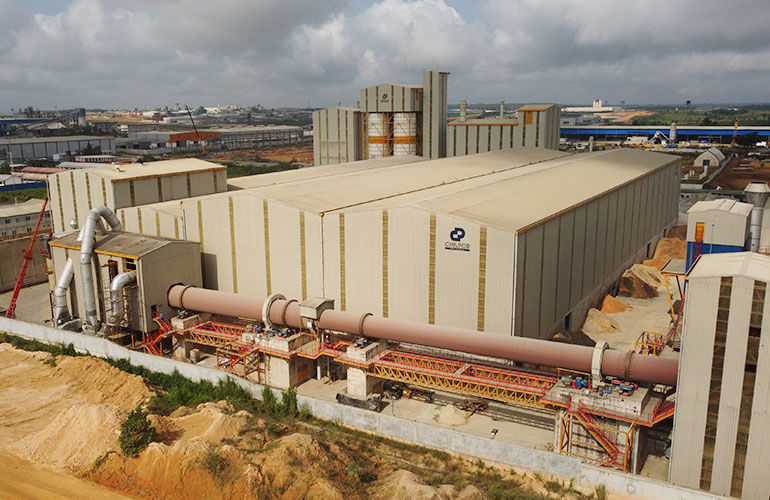
- Year of commissioning: 2020
Kribi Plant
Cameroon
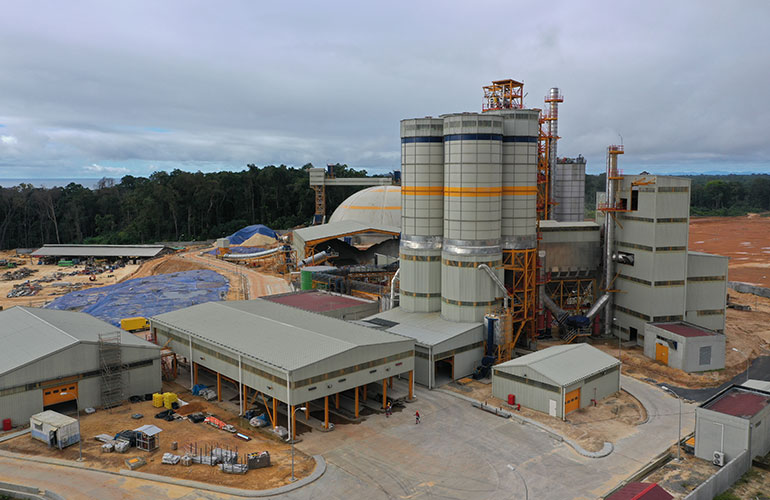
- Year of commissioning: 2023
Tema Plant
Ghana
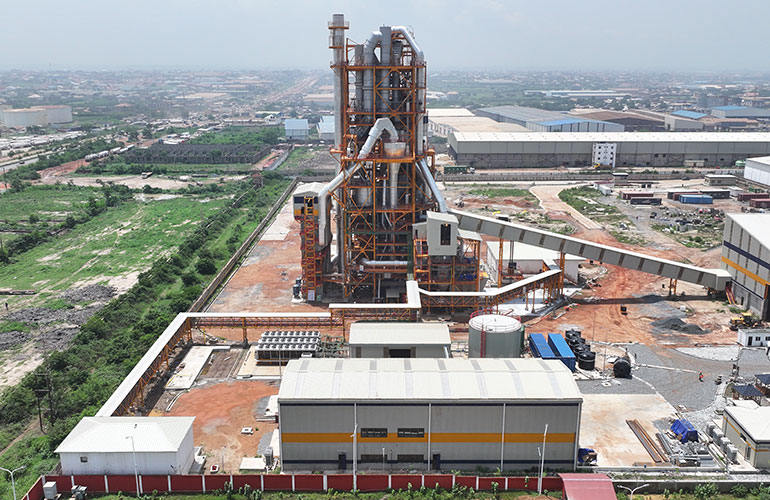
- Year of commissioning: 2026