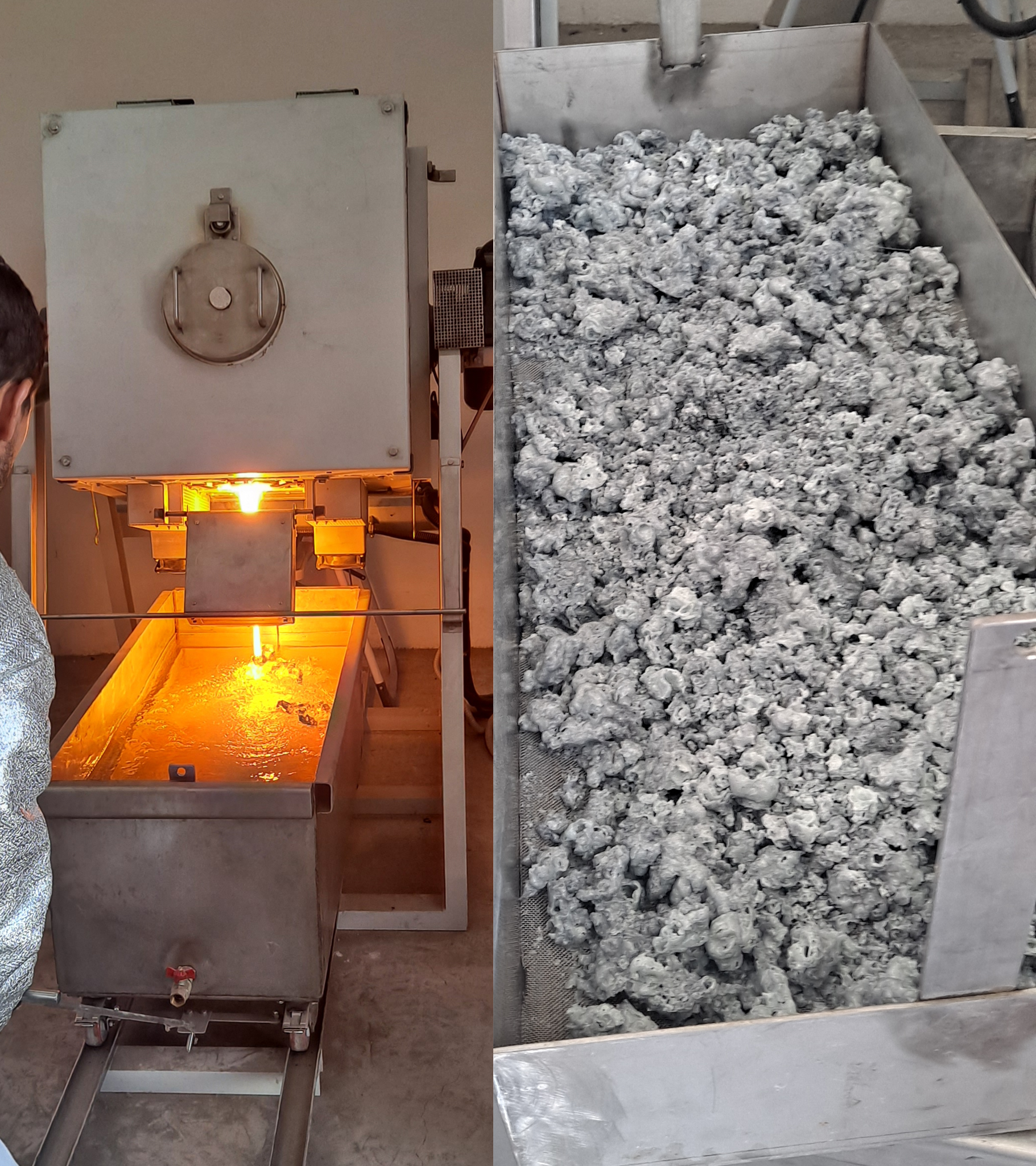
 X-Clinker is a R&D project that emerged from a partnership between CIMPOR and Instituto Superior Técnico (Lisbon) aiming to develop a novel, low-carbon clinker (the main component of cement) to reduce CO₂ emissions from traditional cement/clinker manufacture. The developed binder and its respective production process resulted in a set of patents that are active in Europe, USA and Brazil.
The goal of X-Clinker is to produce a clinker that still meets technical and durability requirements expected in cement, while drastically reducing the part of emissions due to the calcination (limestone decomposition) and fuel combustion (kiln heating).
The production of X-Clinker relies on raw materials typically used in the cement industry. However, due to the specific characteristics of its manufacturing process—which involves the complete melting of raw materials in an electric furnace—X-Clinker can potentially be produced from any material containing calcium oxide and silica. This versatility also enables its application as a recycling pathway for various by-products or waste streams, such as construction and demolition residues.
The process offers significant environmental advantages. By using green energy, thermal emissions can be reduced to zero, while process emissions associated with raw material decarbonation can be cut by more than 25%, since X-Clinker requires less CaO (derived from limestone – CaCO₃) than traditional clinker. Overall, the total CO₂ emissions balance can be reduced to as low as 350 kg CO₂ per ton of clinker.
As part of its decarbonization and carbon neutrality strategy for 2050, CIMPOR has established a partnership with Instituto Eduardo Torroja to develop alkaline activation solutions in cementitious systems. The goal is to optimize the reactivity of different cement constituents, thereby enhancing performance while reducing clinker content and the associated CO₂ emissions from its production.
This project explores the interaction of abundantly available and low-cost alkaline activators in composite cement systems, incorporating limestone filler and various types of pozzolans (natural, synthetic, and calcined).
Innovating with UHPC for Energy Storage Solutions
Aligned with CIMPOR’s energy transition strategy, this project was developed to address the need to reduce CO₂ emissions in the production of energy storage cabinets.
In a patent by NHOA.TCC (EnergyArk®), UHPC (Ultra-High-Performance Concrete) replaces metal as the main material in these cabinets, enabling a reduction of approximately 50% in CO₂ emissions during their construction.
At CIMPOR’s Central Laboratory, mix design and optimization tests for UHPC were carried out, followed by a first industrial trial that successfully produced two full-scale energy storage cabinets.
Promoting Circular Economy through Construction and Demolition Waste
The promotion of a circular economy is becoming increasingly important across all sectors, and with this vision, CIMPOR has been investing in the reuse of waste generated by the construction industry.
These materials present different potential applications throughout the cement and concrete value chain. Optimizing their use is a central focus of this project, which aims to reduce the need for natural resource extraction by making effective use of Construction and Demolition Waste (CDW).
The different approaches to CDW utilization include:
- Incorporating the fine fraction of these residues as a constituent in cement production,
- Using the coarser fraction as part of the aggregate mix in concrete compositions,
- Harnessing their carbonation potential to generate a CO₂-negative product.
Calcined Clays as a Key Supplementary Cementitious Material
Calcined clays have emerged as one of the most important supplementary cementitious materials (SCMs) for the future of the cement industry. When combined with limestone filler, they play a decisive role in the development of the new LC3 family of cements, whose potential has been explored through various initiatives.
Optimizing the production of this SCM and enhancing its reactivity are key factors for its increasing incorporation in cement formulations. This approach supports the reduction of clinker content and contributes directly to CIMPOR’s commitment to achieving its CO₂ reduction targets by 2050.
At CIMPOR’s Central Laboratory, the main characteristics of the various clays available in the regions where the company operates are studied in detail. This research aims to optimize their use and enhance their properties as valuable additions to the cements produced.
3D Printing in Construction
3D printing in construction is an innovative technology that uses large-scale printers to build structures or building components layer by layer, typically with materials such as concrete, clay, polymers, or special blends. This technique is known as additive construction.
This very specialized technique requires a complete understanding of all the mechanisms involved and the impact of each constituentin the chemical and physical behaviour of the ink. CIMPOR’s Central Laboratory has been dedicated to developing suitable mixtures for additive construction inks, with the goal of optimizing printing processes and enhancing the performance of the final product.
Advantages of 3D Printing in Construction
- Speed of construction – Structures can be printed in just hours or days, significantly reducing project timelines.
- Cost reduction – Requires less labor, generates less material waste, and improves energy efficiency.
- Sustainability – Can use recycled or locally sourced materials while producing fewer residues.
- Design freedom – Enables the creation of complex, customized forms that would be difficult or costly with traditional methods.
- Safety – Minimizes worker exposure to hazardous environments.
Challenges and Limitations
- Regulations and standards – The lack of specific guidelines still poses challenges for ensuring safety and quality.
- Material constraints – Not all materials are yet compatible with 3D printing, and some remain under development.
- Scalability – Printing large or multi-story buildings is still a technical challenge.
At CIMPOR, we are pioneering the integration of artificial intelligence and machine learning into cement and concrete production. Through our global collaboration with Alcemy, we are transforming quality control from a reactive process into a predictive, real-time system.
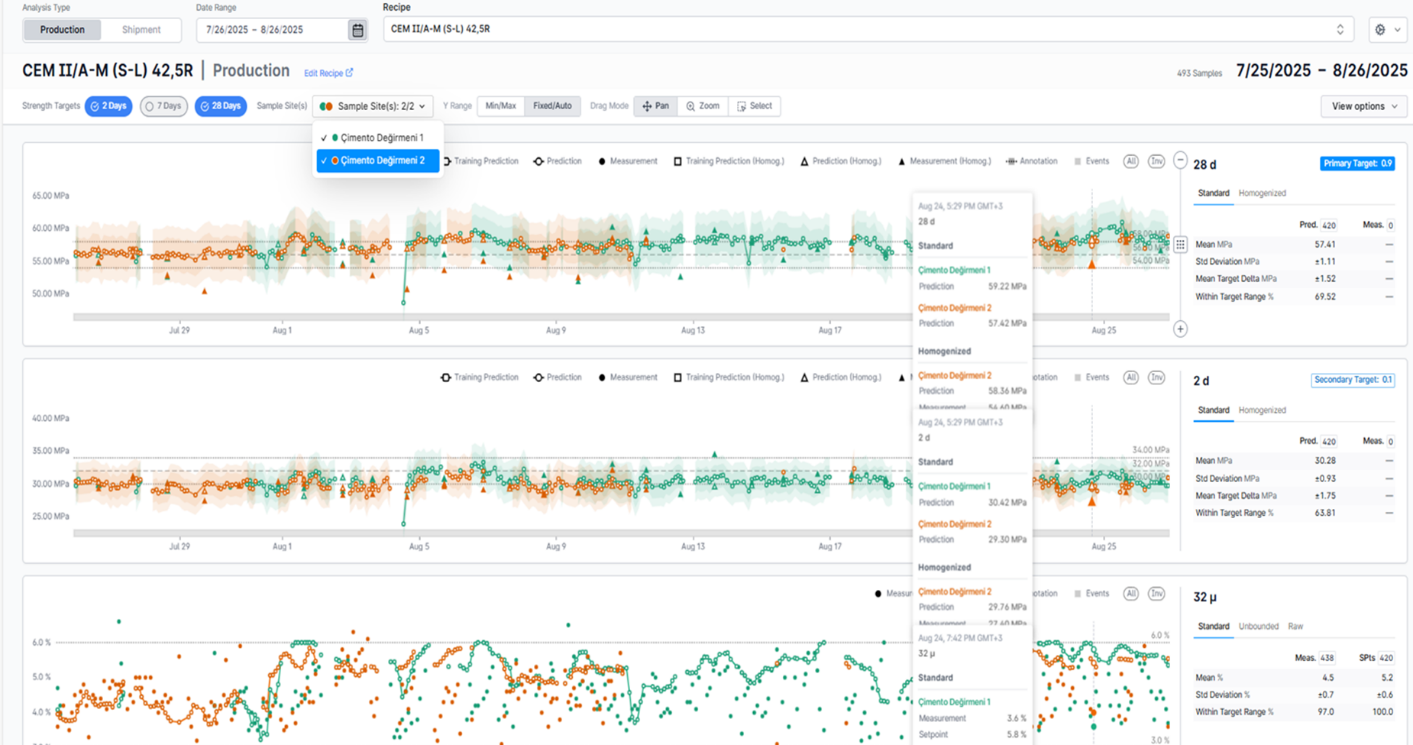
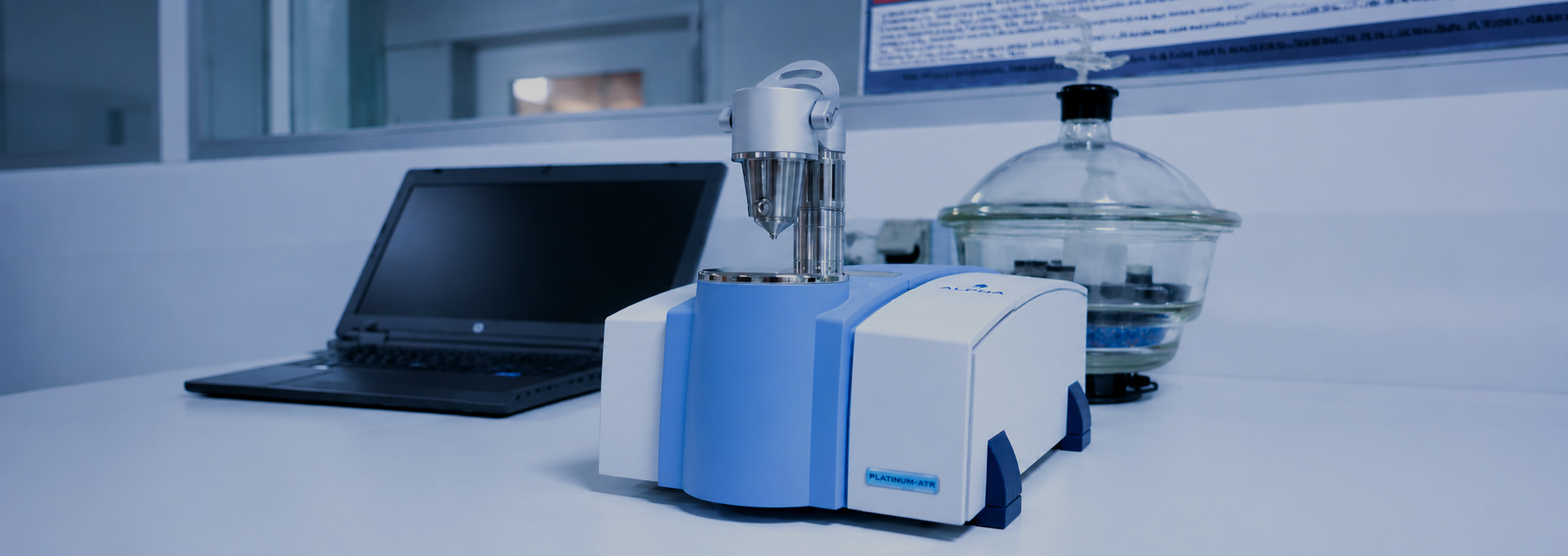
In cement production, Alcemy enables automated quality control by combining analyser data (XRD, XRF, LOI, fineness) with AI-driven models. This allows us to predict 28-day compressive strength with >98% accuracy, reduce clinker consumption, optimize grinding efficiency, and significantly lower CO₂ emissions. Each 1% reduction in clinker usage translates into nearly 100,000 tons of annual CO₂ savings on a global scale.
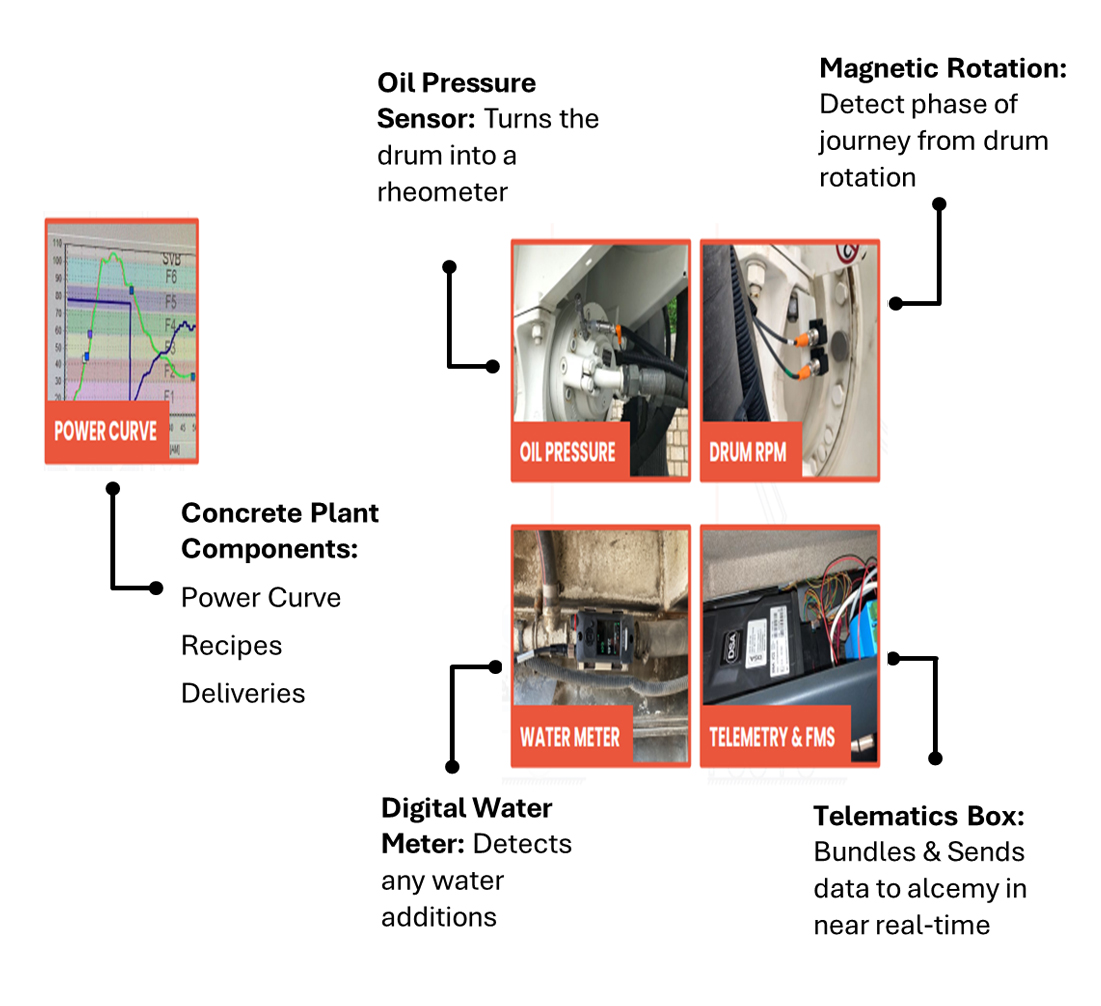
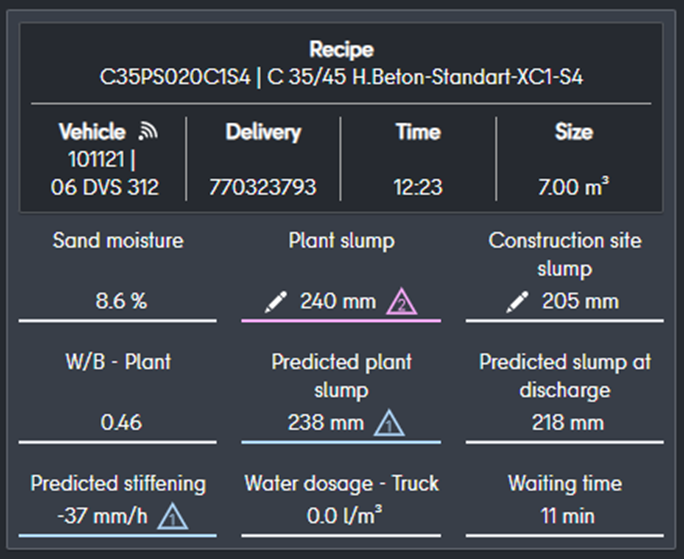
In concrete operations, Alcemy continuously monitors data from ready-mix plants and delivery trucks, forecasting fresh properties such as slump and early strength in real time. This ensures consistent quality from the plant to the construction site, reduces material overuse, and enhances both operational performance and customer satisfaction.
CIMPOR is shaping the future of sustainable construction by delivering high-quality, low-carbon cements and concretes, leveraging digital innovation for both environmental and customer value.